Mobility
Shoulder mobility: understanding your range of motion
Reaching overhead, behind your back, across your body: a quick guide to how the shoulder moves, and how to keep it moving well.

Ziad
4 min read
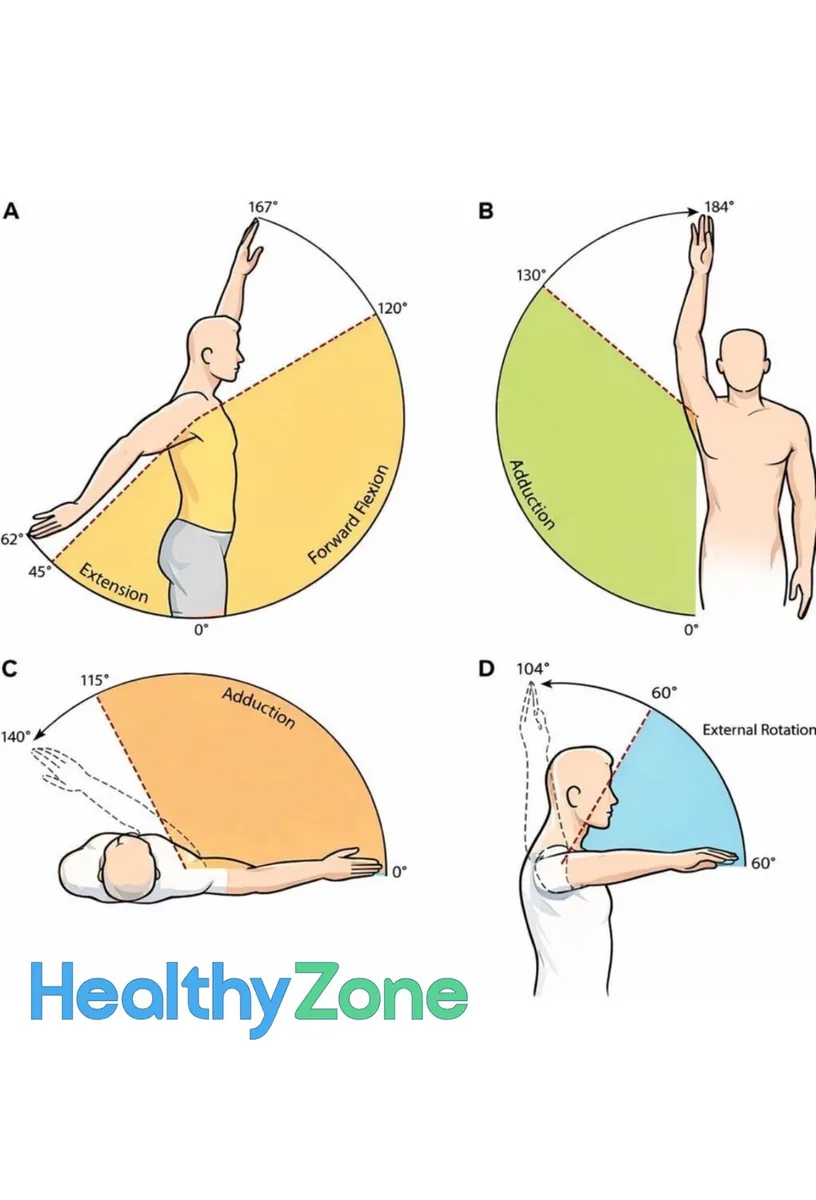
The shoulder is the most mobile joint in the body, which is exactly why it's prone to stiffness and discomfort. Long days at a computer, carrying kids or bags on one side, and a lack of overhead movement can all slowly reduce how far your arm can travel.
A simple self-check
- Raise both arms overhead with your back against a wall. Can your thumbs reach the wall without arching your lower back?
- Reach one hand behind your back and the other over your shoulder. How close do your hands get, and is one side very different?
- With elbows at your sides bent to 90 degrees, rotate your forearms outward. Do both sides move equally?
Big differences between sides, or pain during these movements, are worth having assessed. Stiffness alone is common and usually improves with consistent work.
Keeping your shoulders moving
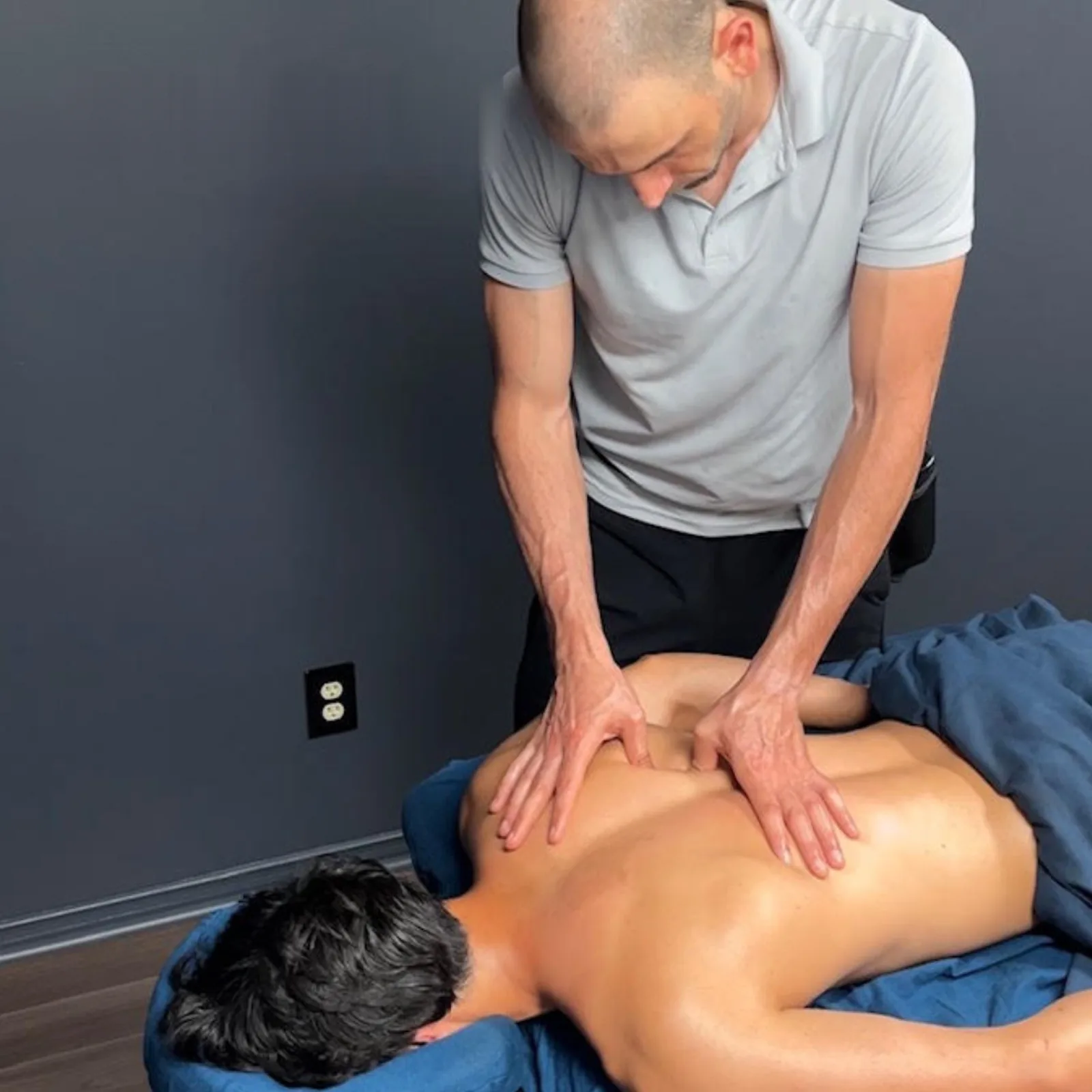
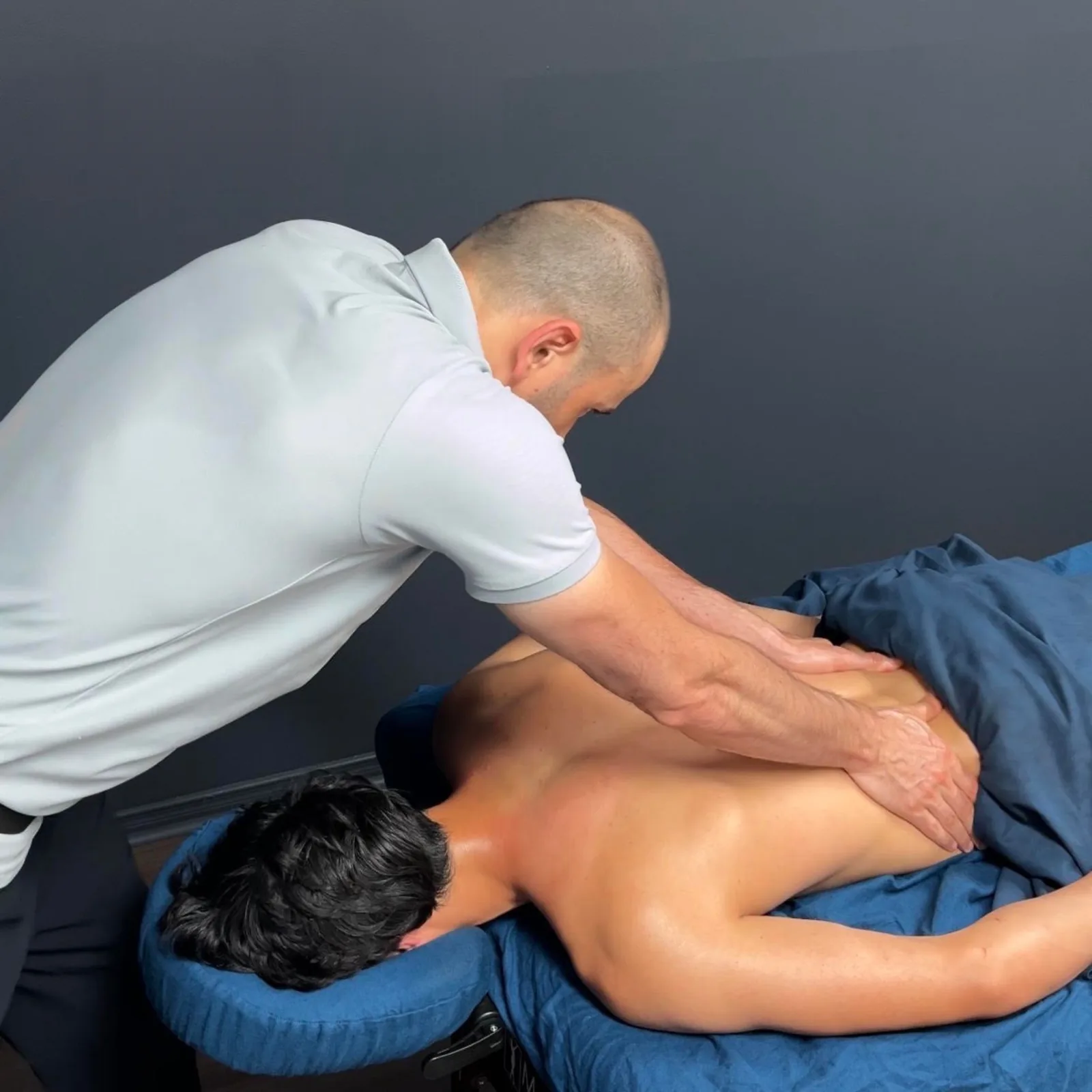
Mobility improves with a mix of releasing what's tight and strengthening through the new range. In a session, massage around the shoulder blade, chest and neck is paired with simple drills, like wall slides, band rotations and controlled arm circles, that you can repeat at home a few minutes a day.
Use it or lose it: range of motion you never visit slowly disappears.
This article is for general information and isn't a substitute for medical advice. If you have pain, an injury or a health condition, consult a qualified health professional.

By
Ziad
Registered Massage Therapist · Personal Trainer
Ziad is a registered massage therapist (RMQ) and personal trainer in Montréal's West Island. He treats clients at home, at work and at the gym across Greater Montréal.