Massage therapy
Deep tissue or Swedish massage: which one do you need?
Both are effective, but they do different jobs. Here is how to choose the right treatment for how your body feels today.

Ziad
5 min read
It's the question I hear most often when someone books for the first time: “Should I get a deep tissue or a Swedish massage?” The honest answer is that it depends less on the name of the technique and more on what you want to feel when you get off the table.
Swedish massage: calm the system
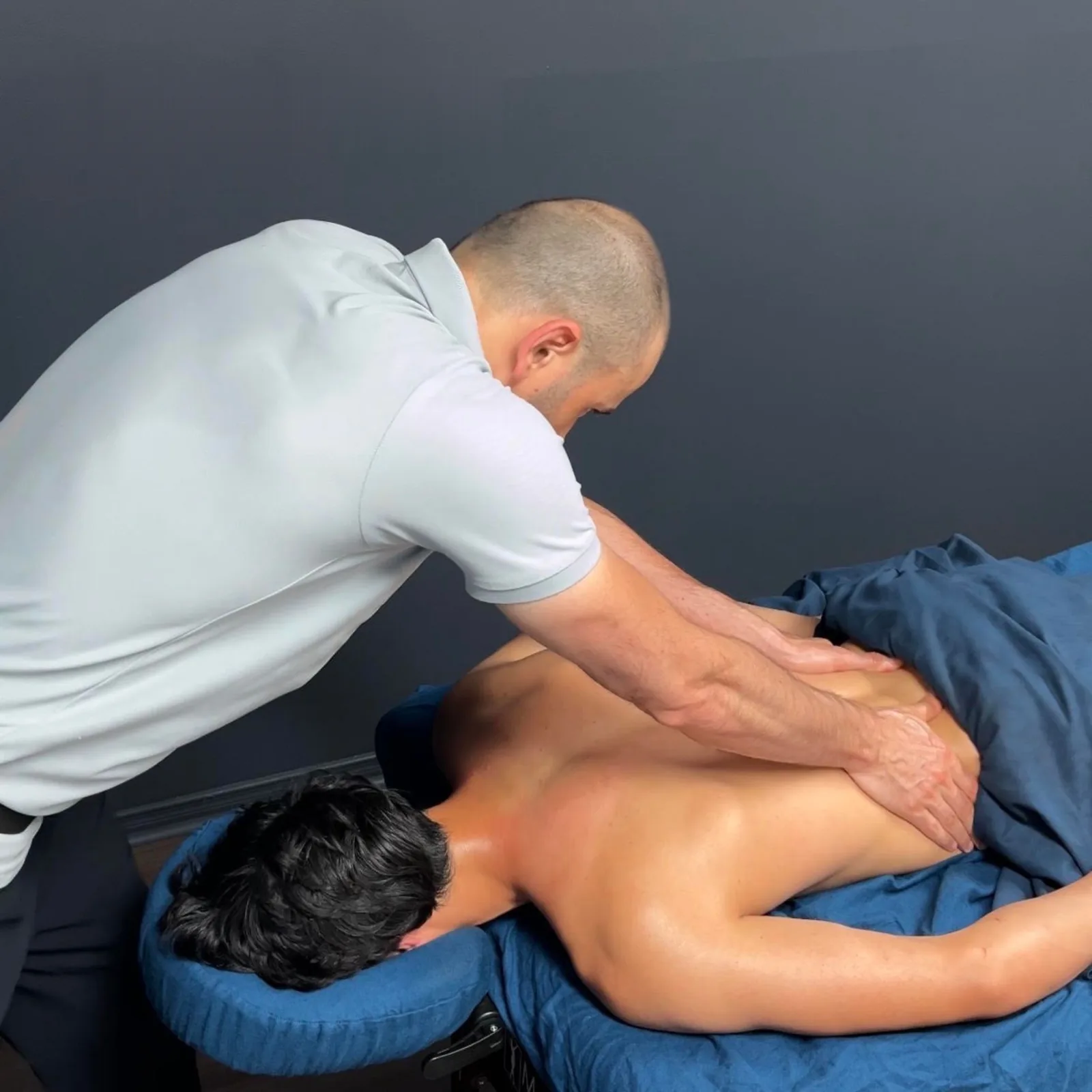
Swedish massage uses long, flowing strokes, kneading and gentle rhythm. Its main goal is to help the nervous system shift out of “go mode”, and it also improves blood circulation. Many clients use it to manage stress, improve sleep quality or simply reset after a demanding week.
Deep tissue massage: work where it's stuck
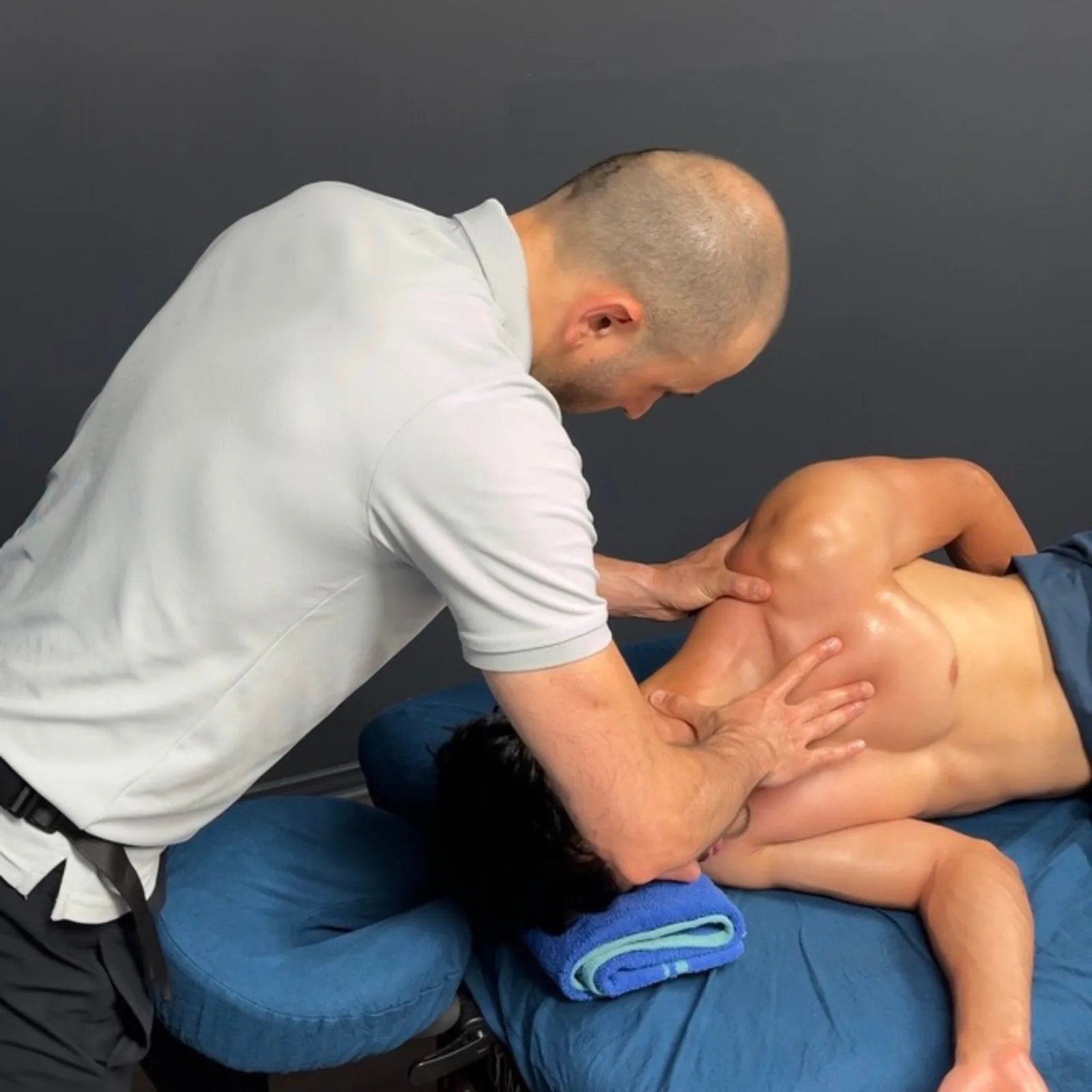
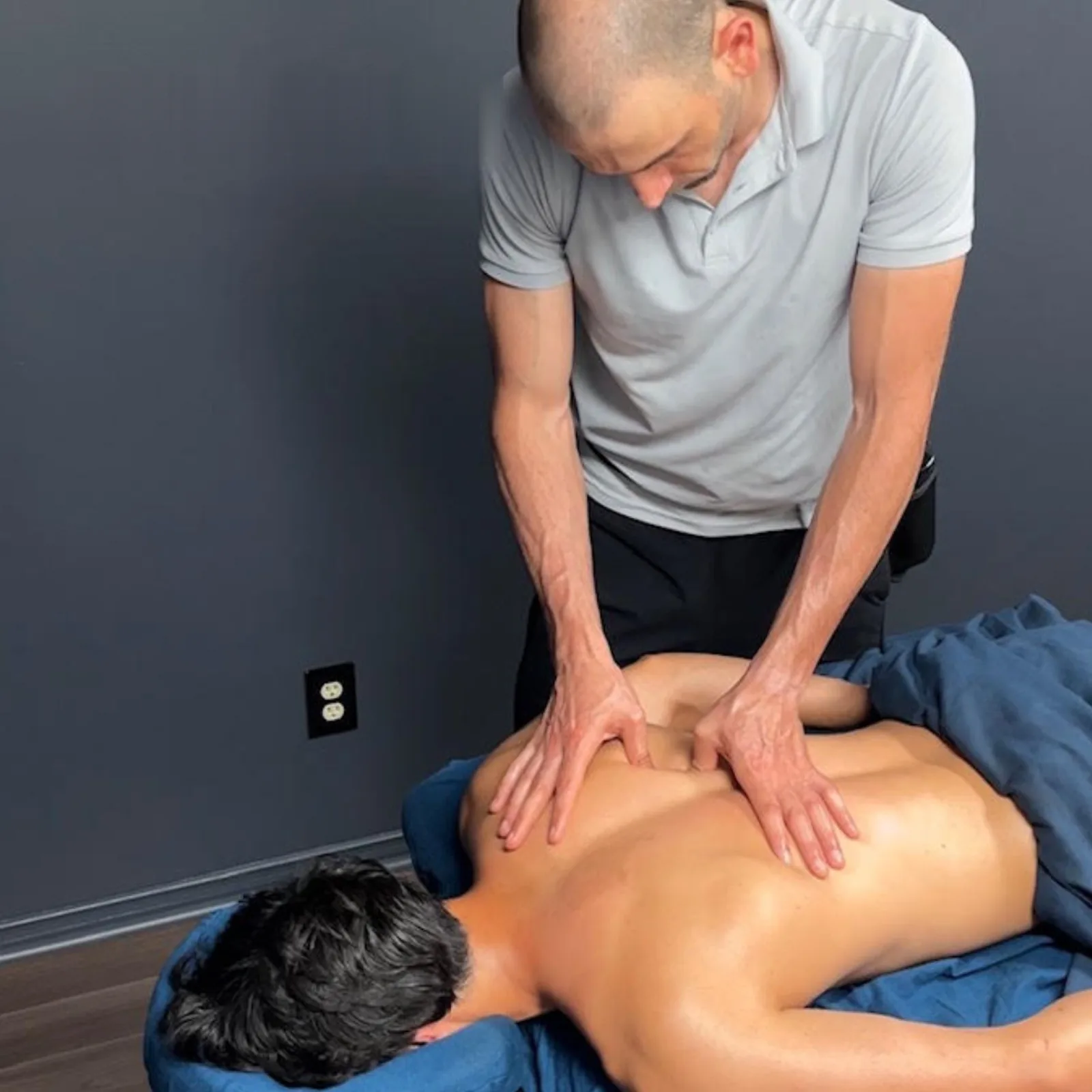
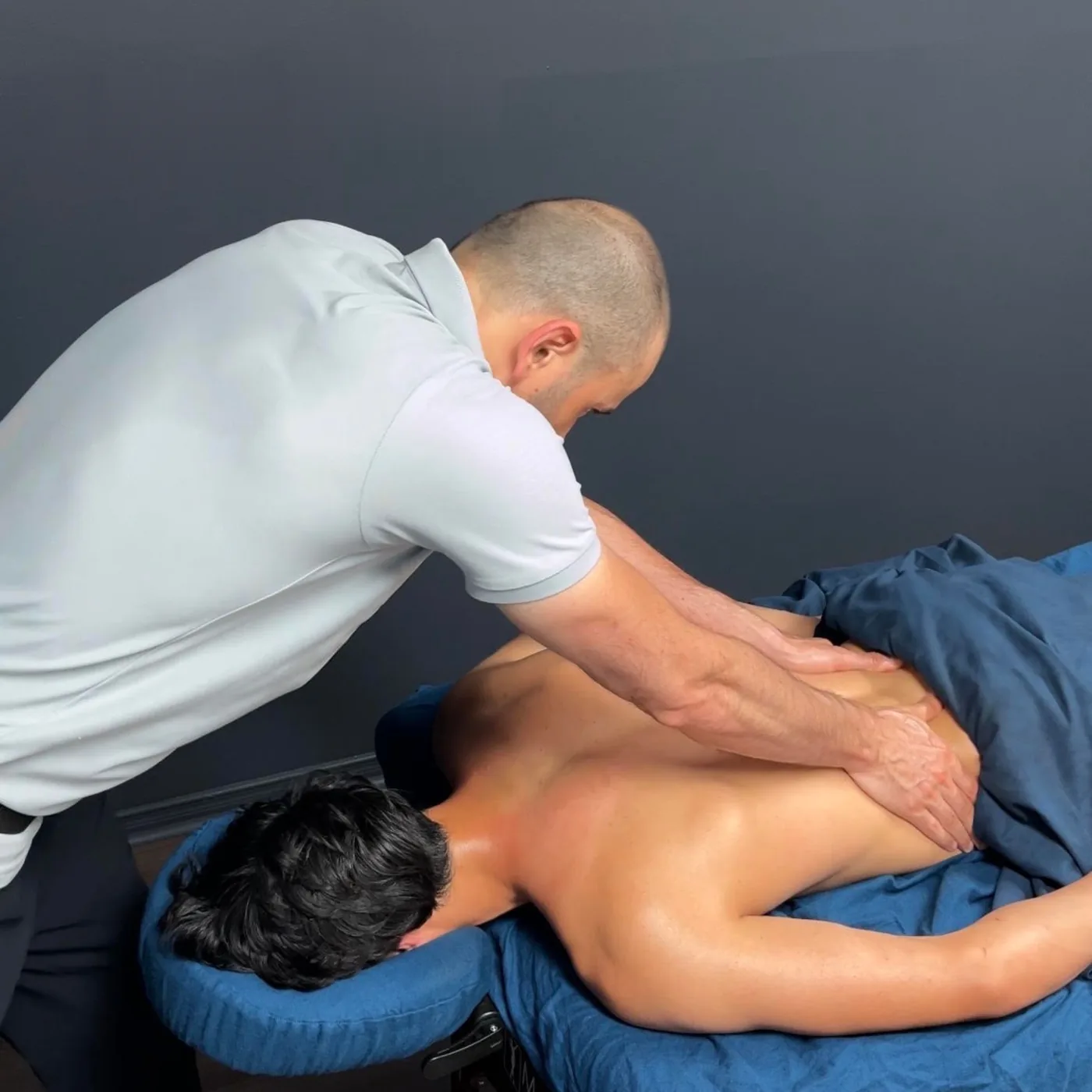
Deep tissue massage uses slow, sustained pressure to reach the deeper layers of muscle and the surrounding fascia. It is directed at specific areas of chronic tension or restricted movement, such as the upper back, neck, hips, lower back and legs, and pressure is increased progressively according to the client's tolerance. Research supports this approach for persistent pain: in a 2014 randomized trial of 59 adults with chronic low back pain, published in The Scientific World Journal, two weeks of deep tissue massage significantly reduced pain and disability, with results comparable to deep tissue massage combined with anti-inflammatory medication.
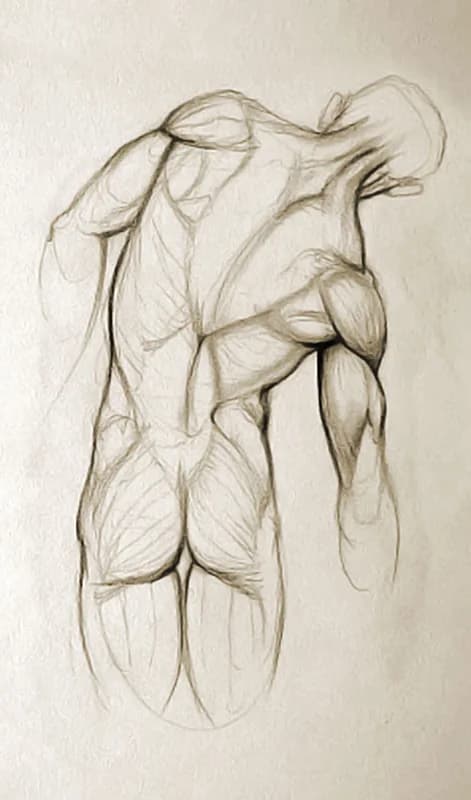
Athletes are among those who benefit most. Intense training places repeated load on the muscles, and recovery between sessions is essential to performance and injury prevention. A 2018 meta-analysis of 99 studies, published in Frontiers in Physiology, found massage to be the most effective recovery technique for reducing delayed-onset muscle soreness and perceived fatigue after exercise.
- Swedish massage is best suited to relaxation, stress relief, sleep quality and blood circulation.
- Deep tissue massage is best suited to chronic muscle tension, stiffness, localized pain and athletic recovery.
- Many sessions combine both: Swedish techniques to prepare the tissue, followed by targeted deep tissue work where it is needed.
What about soreness afterwards?
Some mild tenderness for a day or two after deep work is common, a bit like after a good workout. Drinking water, gentle movement and a warm shower usually help. Open communication with your therapist throughout the session ensures the pressure remains at a level that suits you.
The best treatment is the one that matches how your body feels today, and that can change from one visit to the next.
During your session we talk about your goals first and adapt the technique as we go. If you're unsure which to book, choose a regular massage therapy session and we'll decide together.
This article is for general information and isn't a substitute for medical advice. If you have pain, an injury or a health condition, consult a qualified health professional.

By
Ziad
Registered Massage Therapist · Personal Trainer
Ziad is a registered massage therapist (RMQ) and personal trainer in Montréal's West Island. He treats clients at home, at work and at the gym across Greater Montréal.