Massage therapy
Myofascial release, explained simply
Fascia wraps every muscle in your body. What it is, why it can feel tight, and what a myofascial release session actually involves.

Ziad
4 min read
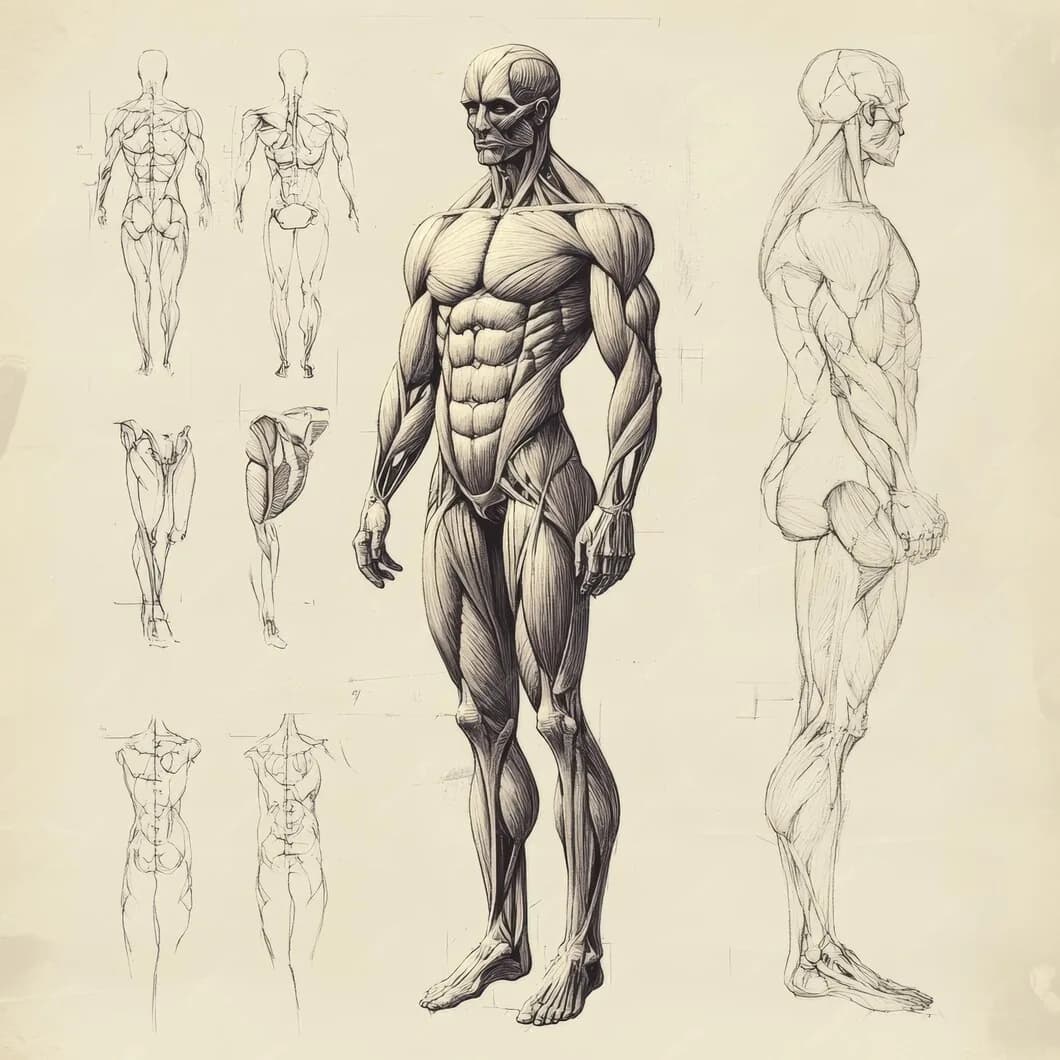
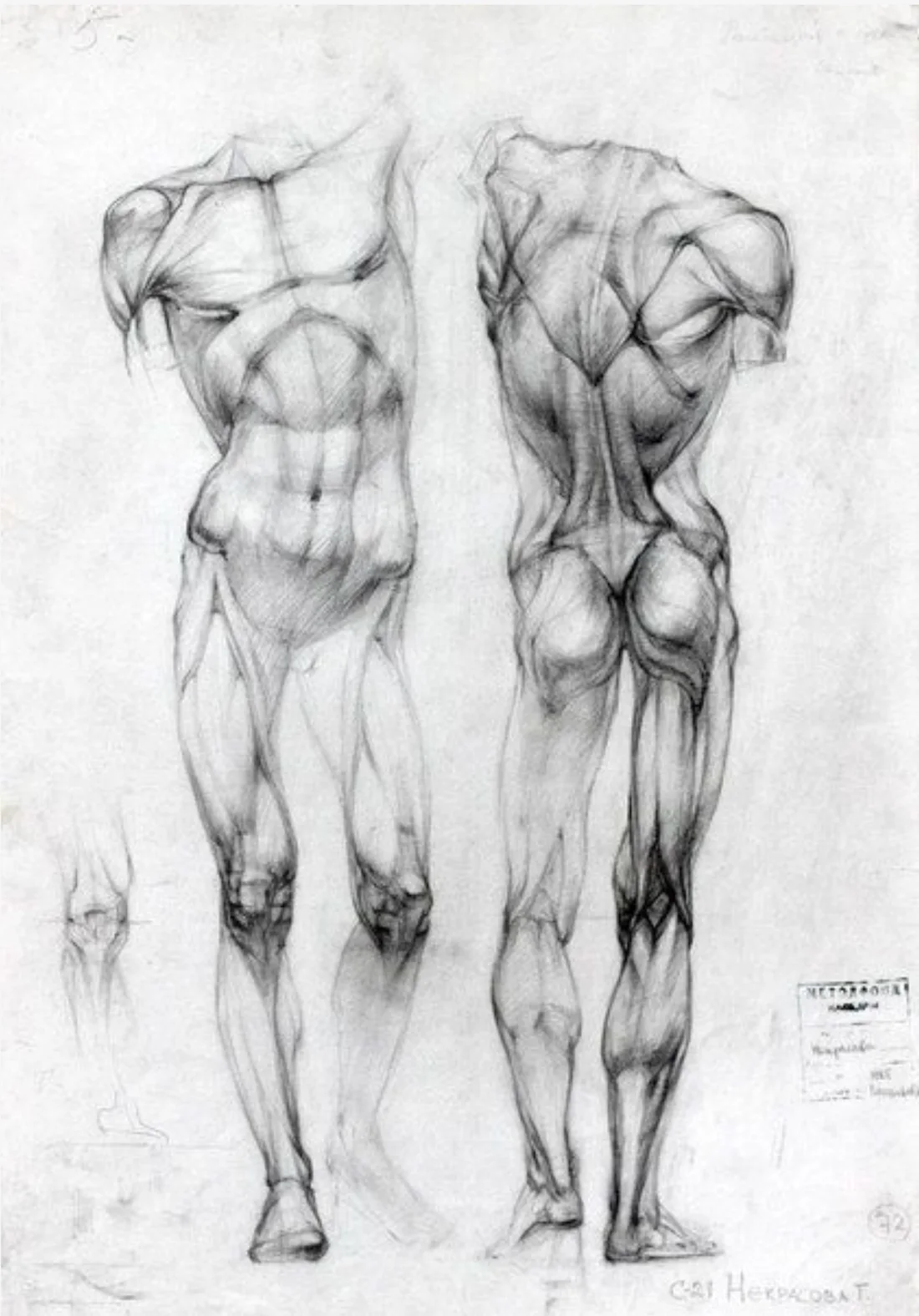
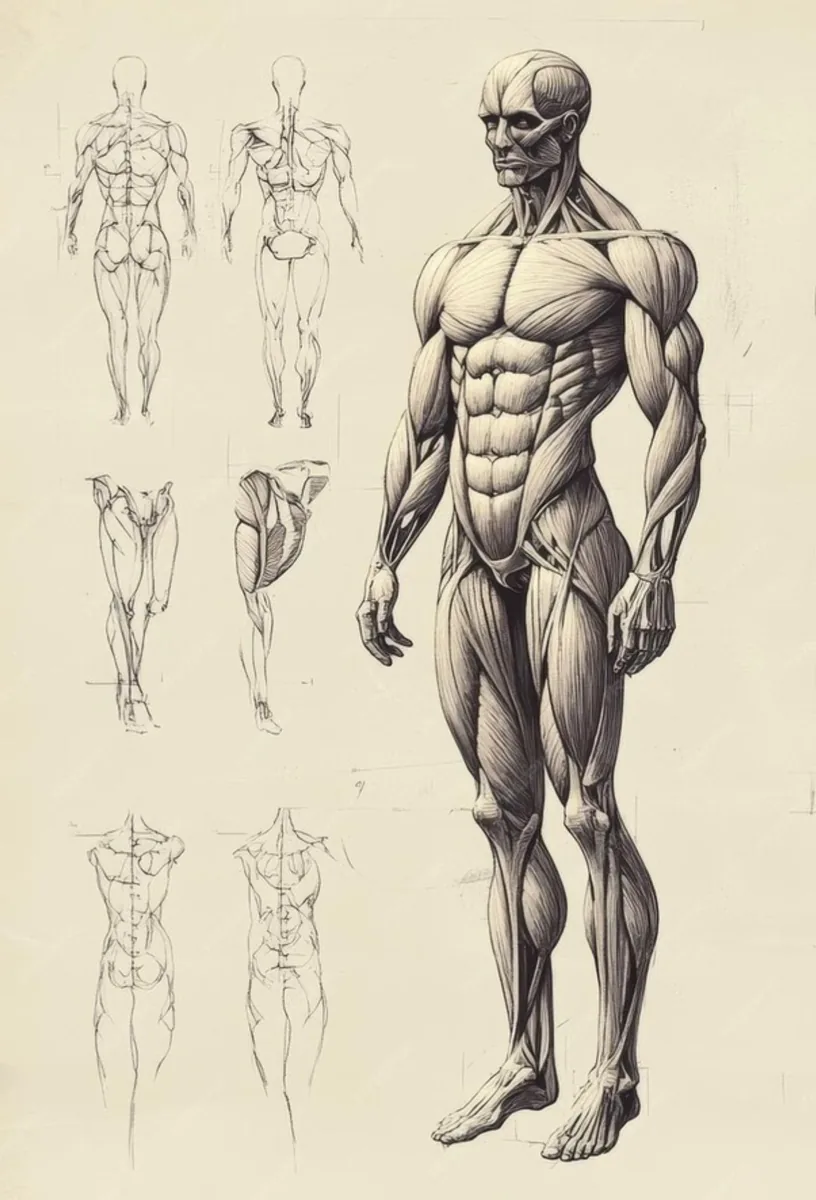
If you've ever pulled the thin white film off a piece of chicken, you've seen fascia. In your body, this connective tissue wraps around and between every muscle, linking them into long chains from head to toe.
Why does fascia feel tight?
Healthy fascia glides. Long hours in the same position, repetitive movements, old injuries or stress can make an area feel stiff and less mobile. Because everything is connected, tension in one spot can be felt somewhere else: a tight upper back that seems to pull on the neck, or hips that affect the lower back.
What happens in a session
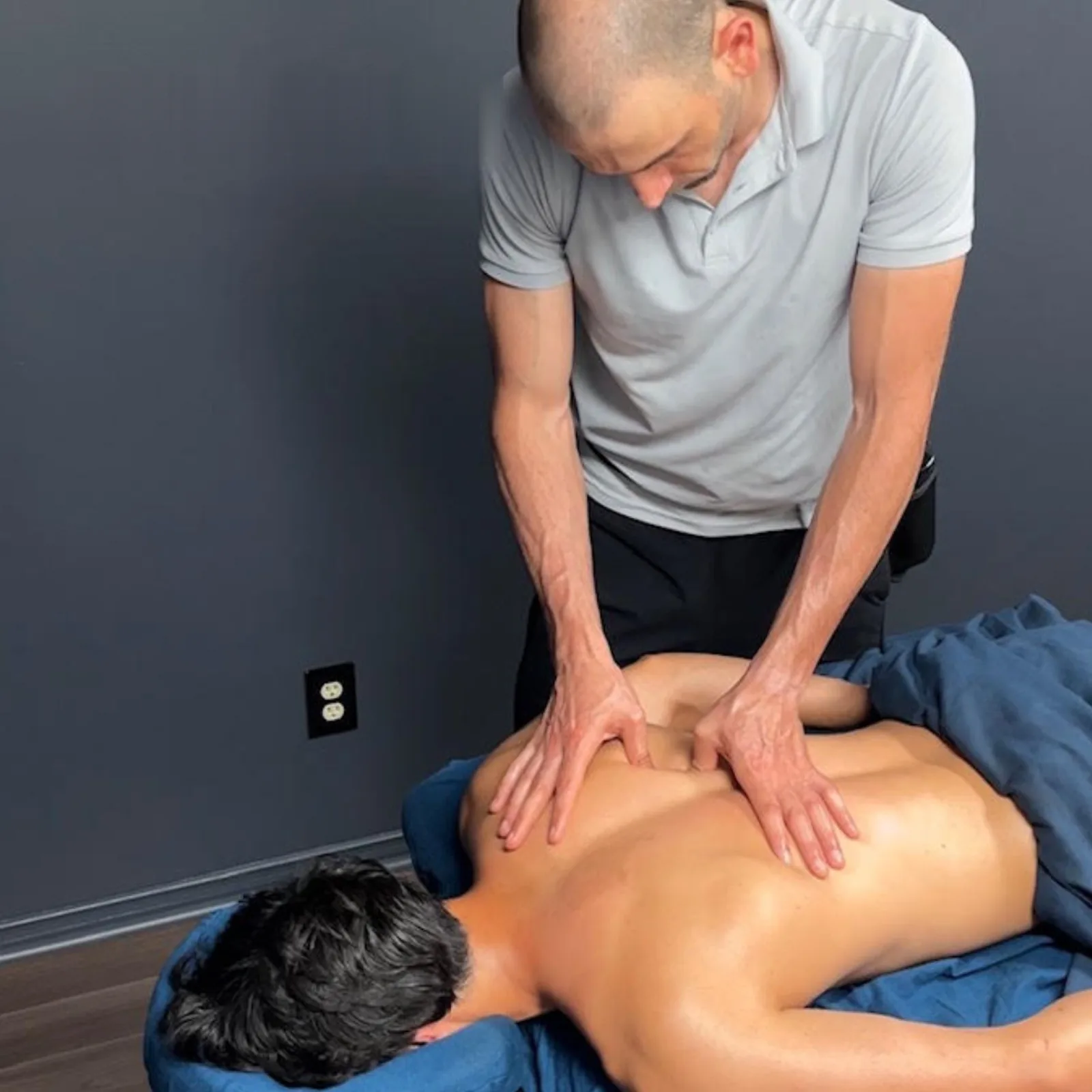
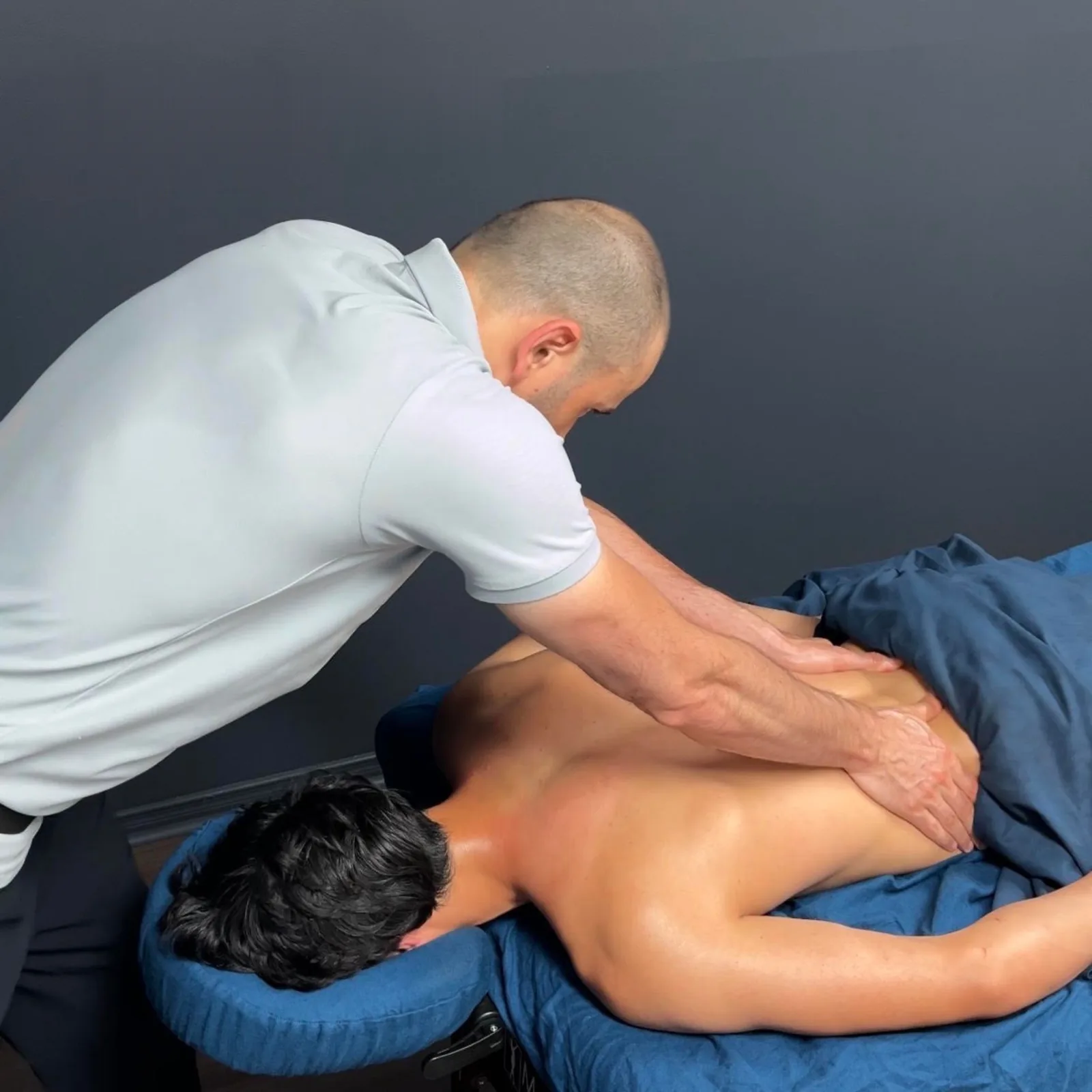
- Slow, sustained pressure, usually without much oil, so the skin and tissue can be gently stretched.
- Holding a position for a minute or more while the area softens, rather than quick strokes.
- Working along the chain, not only where you feel it, to restore movement between layers.
Myofascial release should feel like a deep, sometimes intense stretch, never sharp. Many clients describe a sense of space or lightness afterwards. Combining it with simple mobility exercises at home helps the results last.
Where you feel it isn't always where it starts.
This article is for general information and isn't a substitute for medical advice. If you have pain, an injury or a health condition, consult a qualified health professional.

By
Ziad
Registered Massage Therapist · Personal Trainer
Ziad is a registered massage therapist (RMQ) and personal trainer in Montréal's West Island. He treats clients at home, at work and at the gym across Greater Montréal.